
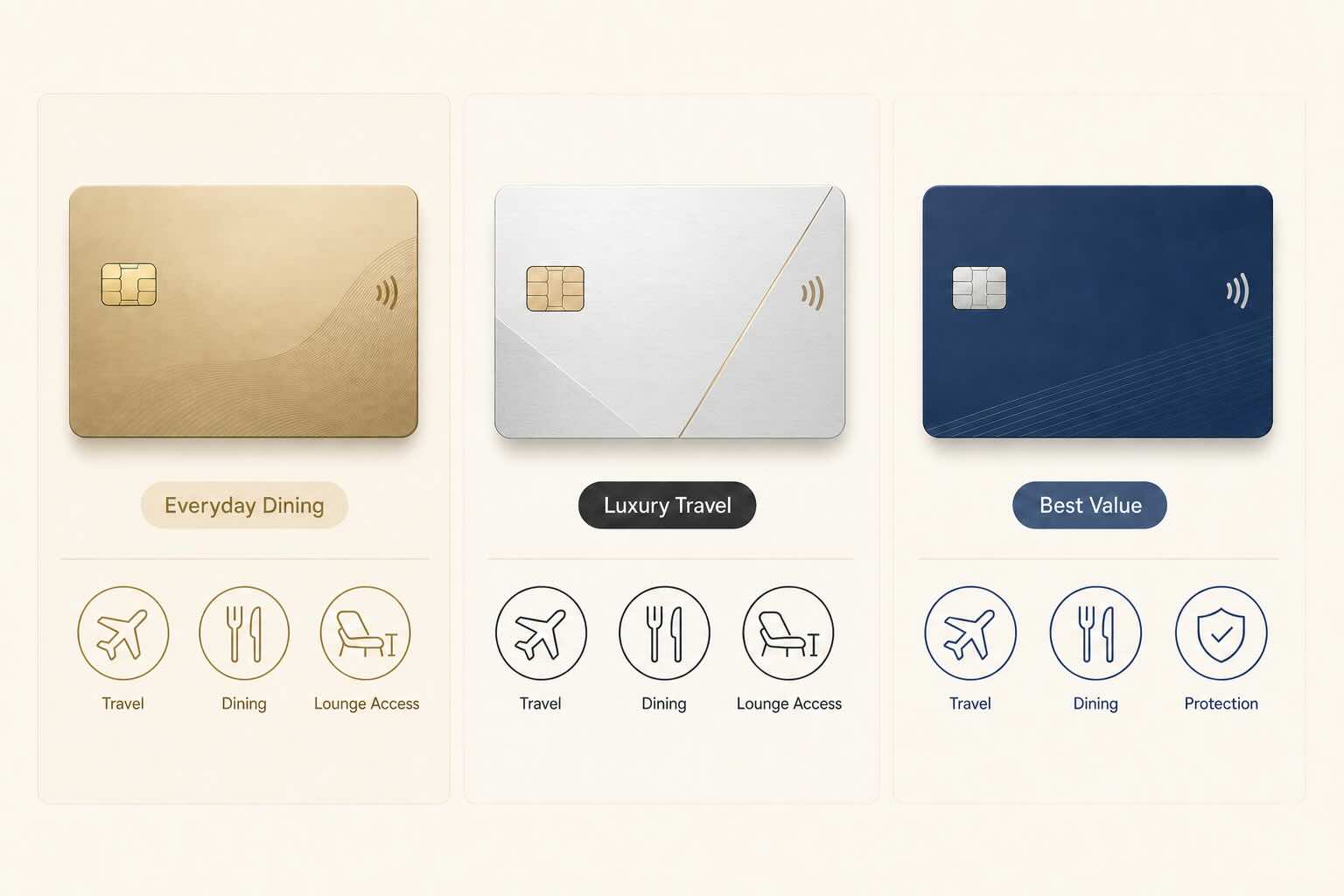
Premium travel credit cards sound like an easy win: earn points, get airport lounge access, stack credits, and turn everyday spending into flights and hotels. But the real question is value, especially when annual fees climb toward $895. The key theme is matching the card to your travel style and your actual spending, not your aspirational one. If you travel often, use Uber credits, book paid flights, and regularly use lounges, a premium card can outperform a basic cash-back card. If you travel less, those perks can become unused coupons, and the “free” benefits quietly turn into an expensive habit. Travel credit cards only work when you pay the balance in full each month, because 18% to 20% interest wipes out rewards fast.
Jim and Rita explain their practical setup: using an Amex card for points earning and a Visa for broad acceptance, especially in Europe where American Express is often declined due to higher processing fees for merchants. They talk through Amex Platinum versus Amex Gold, including the logic of downgrading when travel slows down. Amex Gold can be a strong middle ground because of high multipliers on dining and groceries, categories many people hit without trying. They also highlight the Chase Sapphire Preferred as a low-fee travel card that can effectively pay for itself with a hotel credit, while still offering solid travel protections and an easy-to-use rewards portal. For many travelers, that combination of acceptance, reasonable annual fee, and simple value beats chasing the flashiest premium travel card.
A major topic is booking through credit card travel portals. The upside is convenience and bonus multipliers, sometimes up to 5x points, plus a single place to manage flights and hotels. There’s also an underrated benefit: better human support when you make a mistake or need help rebooking, compared with some third-party aggregators. The downside is reduced flexibility when plans change, and you may lose hotel loyalty points or elite benefits if the booking is treated as third-party. They also offer a reality check on airport lounges: even if lounge access is included, overcrowding and time limits can block entry, so you should not count lounge savings as guaranteed value. If you do get in, it can replace a pricey airport meal, but you cannot assume it will always be available.
They also dig into the “3% surcharge” debate that’s spreading across the United States. If your points are worth roughly 1 to 1.5 cents each, a standard 1x earning rate rarely beats a 3% fee. Multipliers can change the equation, but only if the purchase category qualifies. That leads into point maximizer services and award travel tools. Some paid services and search platforms can help you find partner award redemptions, but you can often do the same work yourself by learning your card’s transfer partners, using communities like Reddit, and trying tools such as Expert Flyer and Award Wallet. The biggest safety rule: never transfer points until seats are confirmed, because many transfers are irreversible. Finally, they cover high-value perks beyond points: no foreign transaction fees when you pay in local currency, trip interruption insurance, rental car coverage options, purchase protection, and claims stories that show why it pays to understand your benefits. They close with scam warnings: never share card numbers or passwords, avoid pressure tactics like “panic transfers,” and be cautious with gift card schemes that can get rewards clawed back.
Leave a Reply